“I want to be beside the seaside!”
Okay, but 3 things to think about.
1) Is it safe?
Erosion and flooding are natural processes, they become problems for us when we build in inappropriate places. Similar to past mistakes on floodplains:
“Much of the flooding is ultimately caused by bad planning, allowing housing, roads and services to be built on river flood plains.”
(Irish Times: Why did we build on flood-plains?)
On the coast building on soft areas (sands and soft erodible soils), too close to the water is inappropriate. Especially as storms are increasing the hazard
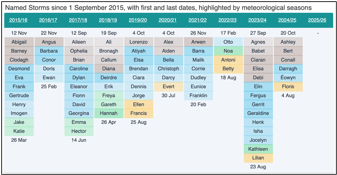
https://www.met.ie/climate/storm-centre
And that’s before we factor in sea-level rise.
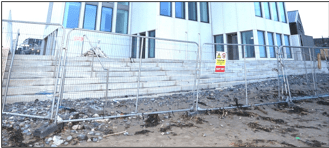
Here is a new building (2025) in Ireland right at the hight tide line 🫣 (yes, that is seaweed you see). While planning authorities etc. do make decisions on these, ultimately we are all responsible for choosing where we want to locate our dream house, our business and all the other things we’d like beside the seaside.
2) Are we “Killing the goose the laid the golden egg”?
The Wild Atlantic Way has been a huge success because of the naturalness of the coast. This is not the case on our east coast where large swaths have been lost to concrete and rock armour. People who live on our beautiful natural coasts, value that naturalness. We also get a whole array of other benefits from healthy natural environments: fresh air, clean water, protection from storms (really too many to list here).
So, first and foremost, surely we should not damage one iota more of those habitats that give us so much.
It is important we make that sort of commitment to “one iota”, because existing laws and policies allow for small amounts of damage (I kid you not). These policies assume the damage is so small it doesn’t really have an effect on the whole, or so small we can mitigate the damage. Unfortunately this leads to “death by a thousand cuts”, where a small road improvement, a small access point, a small stock drinking point, a small set of exercise machines, a small dwelling, a bike lane, a bit of rock armour etc., all end up having a very damaging cumulative effect.
The end point is that we lose what we loved in the first place.
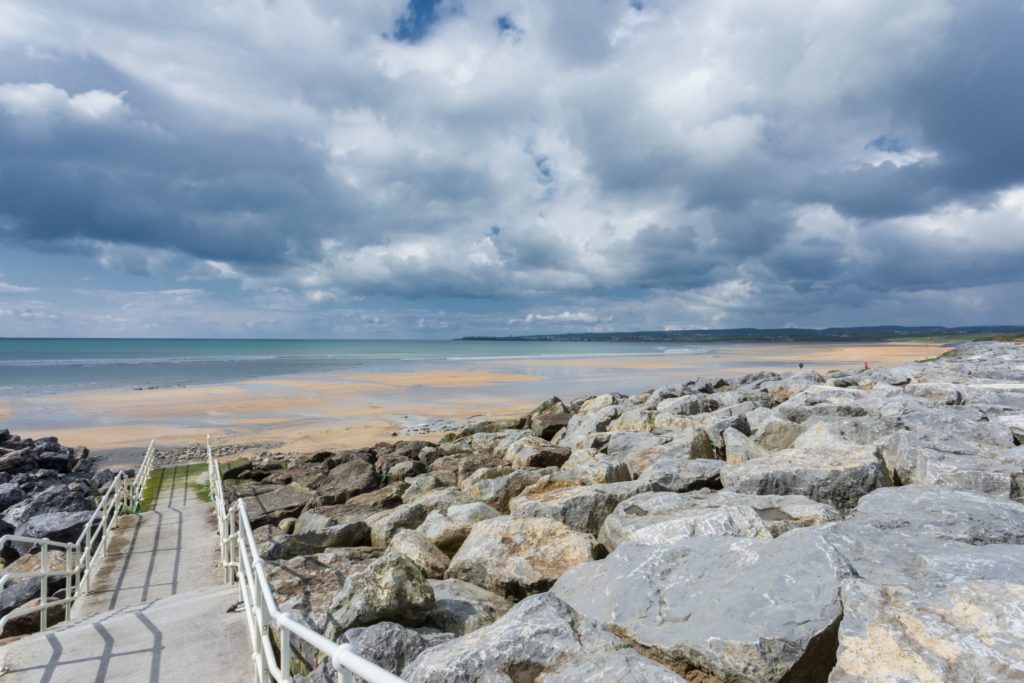
3) The myth of hard engineering “Coastal Protection”
Firstly, it is not “fit for purpose”. We have all agreed that the best way to plan for the future is using “sustainable” methods. In simple terms, this means we value social, economic and environmental factors when making decisions. Coastal protection however puts just economics at the centre of decisions, using cost-benefit analysis (a purely economics tool, where other more appropriate tools are ignored).
Secondly, it often causes more problems than it solves:
- It literally destroys a habitat
- It results in beach loss, and increased erosion to the adjacent coast
- It leads to further engineering needs and long-term costs
- It doesn’t take into consideration SLR

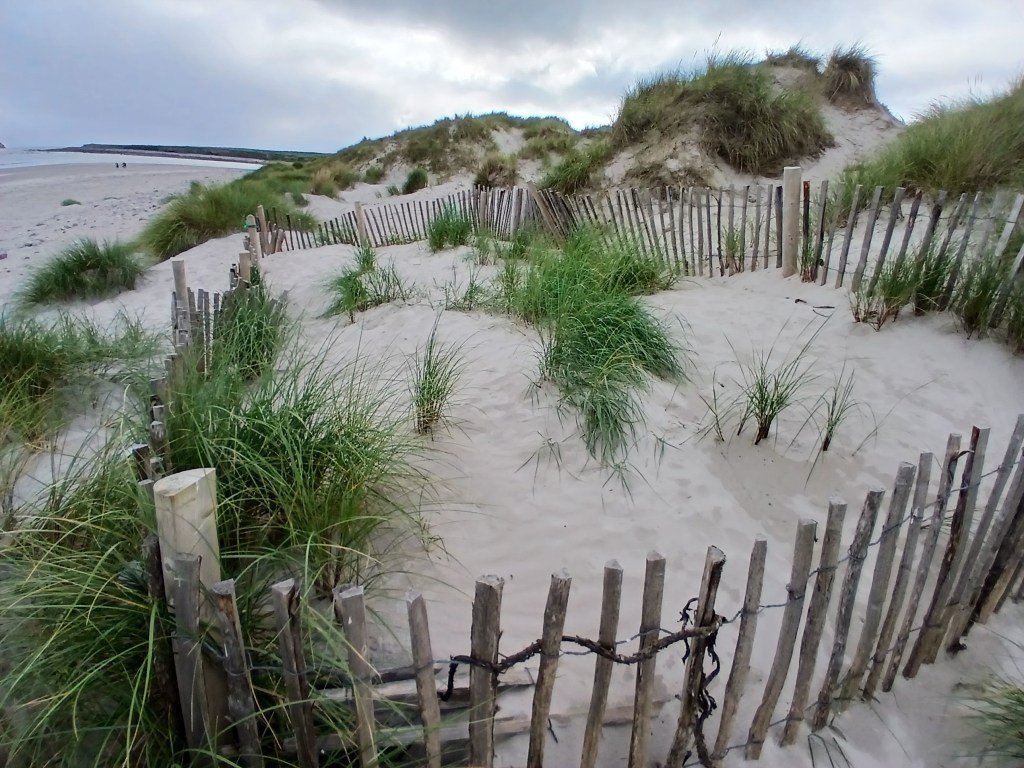
 Kevin's Dunes Blog
Leave a comment